KoalaReads LogoKoalaReads
ReadingsFeaturesPracticeHow It WorksPricingAbout

Die Theorie vom "Kampf der Kulturen"

The Theory of the 'Clash of Civilizations'

Die 'Kampf der Kulturen'-Theorie postuliert, dass zukünftige Konflikte zunehmend entlang kultureller Grenzen verlaufen werden. Sie wurde von Samuel P. Huntington in den 1990er Jahren entwickelt.

By Oksana Sawicka

🇩🇪DEUTSCH

Yin und Yang.

Yin und Yang.

Die Theorie vom "Kampf der Kulturen"

Die "Kampf der Kulturen"-Theorie, entwickelt von Samuel P. Huntington, besagt, dass künftige Konflikte in der Welt weniger durch ideologische oder geopolitische Faktoren, sondern vielmehr entlang kultureller Grenzen und Identitäten verlaufen werden.

Die Theorie vom "Kampf der Kulturen" ist eine Konzept, das in den 1990er Jahren von Samuel P. Huntington entwickelt wurde und in seinem einflussreichen Buch "The Clash of Civilizations and the Remaking of World Order" von 1996 ausführlich dargelegt wurde. Diese Theorie postuliert, dass die Hauptursache für Konflikte in der heutigen Welt nicht mehr ideologische oder wirtschaftliche Faktoren sind, sondern kulturelle Unterschiede und Identitäten.
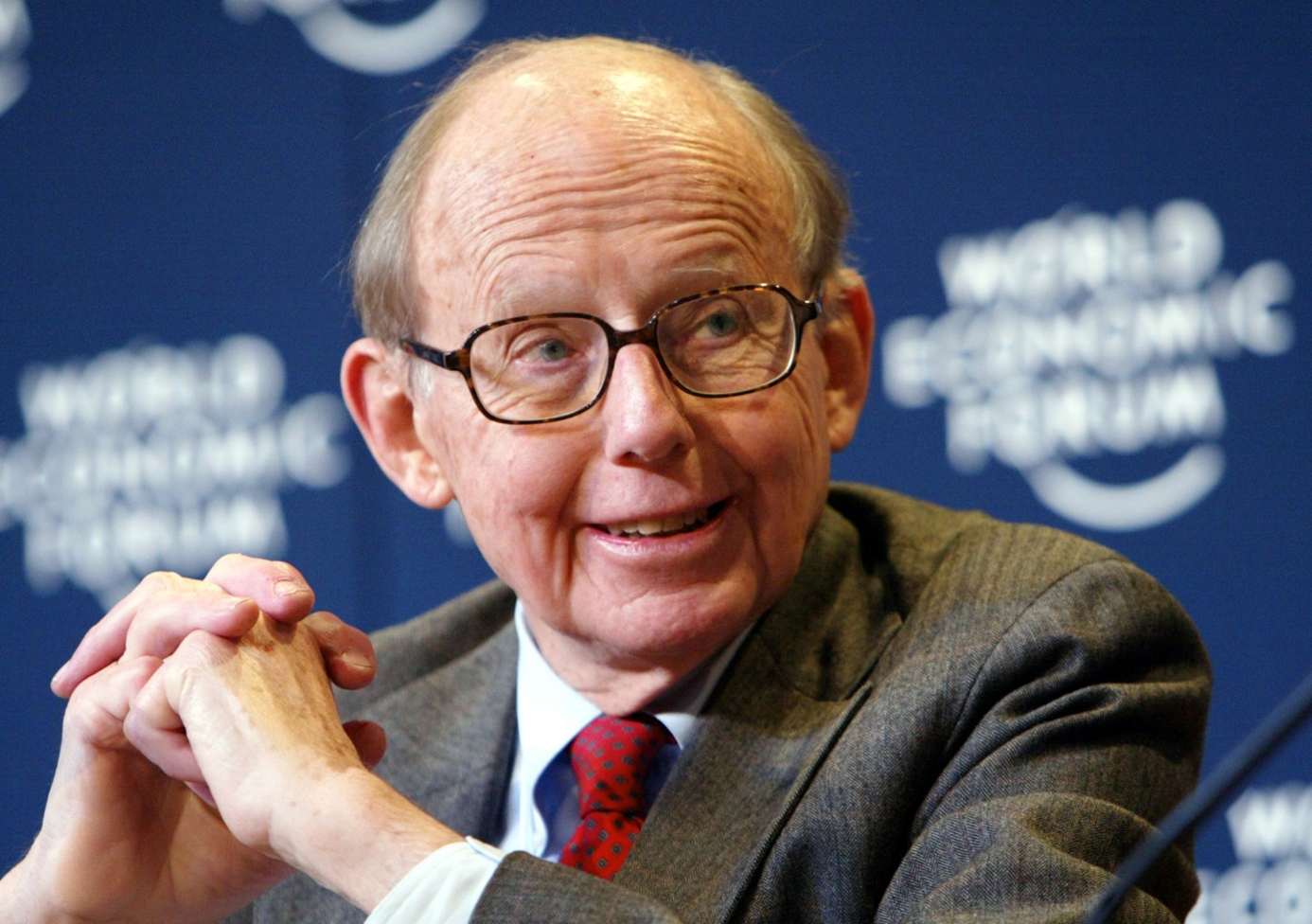
Samuel P. Huntington (2004 World Economic Forum) .

Samuel P. Huntington (2004 World Economic Forum.

Bild von Copyright World Economic Forum / [Peter Lauth] | Lizenz: CC BY-SA 2.0 DEED Attribution-Share Alike 2.0 Generic | Erstellt: 25. Januar 2004

Samuel Phillips Huntington (1927-2008) war ein renommierter amerikanischer Politikwissenschaftler und Professor an der Harvard University. Er war bekannt für seine Beiträge zur Politikwissenschaft, insbesondere im Bereich der politischen Entwicklung und Theorien über internationale Beziehungen. Huntington gilt als einer der einflussreichsten politischen Denker des 20. Jahrhunderts.

Huntington argumentiert, dass die Welt nach dem Kalten Krieg nicht mehr von Konflikten zwischen Supermächten oder Ideologien dominiert wird, sondern von kulturellen Gegensätzen zwischen verschiedenen Zivilisationen. Er identifizierte acht Hauptzivilisationen, darunter die westliche, islamische, chinesische und hinduistische Zivilisation. Laut Huntington haben diese Zivilisationen unterschiedliche Wertesysteme, Traditionen und Religionen, die zu Konflikten führen können, wenn sie miteinander in Berührung kommen.

Ein zentraler Aspekt von Huntingtons Theorie ist die Idee, dass der Zusammenprall zwischen diesen Zivilisationen unausweichlich ist und dass sie in Zukunft vermehrt miteinander konkurrieren und konfrontiert werden könnten.

Samuel P. Huntingtons Theorie zum "Kampf der Kulturen" basiert mehr auf historischer und kultureller Analyse als auf direkten empirischen Beweisen im herkömmlichen Sinne. Es ist wichtig zu beachten, dass seine Theorie ein Rahmenwerk zur Erklärung globaler Beziehungen und möglicher Konflikte ist, anstatt eine Reihe konkreter, überprüfbarer Hypothesen. Huntingtons Argument stützt sich auf mehrere Schlüsselpunkte, aber es ist entscheidend zu betonen, dass seine Theorie in den Bereichen Internationale Beziehungen und Politikwissenschaft umstritten ist und sowohl Unterstützer als auch Kritiker hat. Hier sind einige wichtige Aspekte seiner Argumentation:

Zivilisatorische Identität: Huntington argumentiert, dass die primäre Identität der Menschen sich von ideologischen oder nationalen Zugehörigkeiten zu zivilisatorischen Identitäten auf der Grundlage von Kultur, Religion und gemeinsamen Werten verlagert. Er weist auf den Aufstieg der Identitätspolitik und kultureller Konflikte als Beleg für diese Verschiebung hin.

Zivilisatorischer Konflikt: Huntington vermutet, dass zukünftige Konflikte hauptsächlich entlang von zivilisatorischen Bruchlinien auftreten werden, an denen verschiedene kulturelle Gruppen und Zivilisationen miteinander interagieren. Er deutet an, dass diese Interaktionen aufgrund von Unterschieden in den Kernwerten und Weltanschauungen eher zu Spannungen und Konflikten führen werden.

Beispiele aus der Geschichte: Huntington liefert historische Beispiele, wie die Kreuzzüge, um zu veranschaulichen, wie zivilisatorische Zusammenstöße im Laufe der Geschichte aufgetreten sind. Er argumentiert, dass solche Zusammenstöße oft aus grundlegenden kulturellen und religiösen Unterschieden resultieren.

Die Welt nach dem Kalten Krieg: Er argumentiert, dass mit dem Ende des Kalten Krieges die Welt in eine neue Ära eingetreten ist, in der zivilisatorische Identitäten eine prominentere Rolle in der Gestaltung der Weltpolitik spielen werden. Er sieht Konflikte wie den Golfkrieg und ethnische Konflikte auf dem Balkan als frühe Anzeichen dieses Trends.

Zivilisationen als Akteure: Huntington schlägt vor, dass in dieser neuen Ära, Zivilisationen anstelle von Nationalstaaten die Hauptakteure in der Weltpolitik werden. Er verweist auf den Einfluss transnationaler religiöser und kultureller Bewegungen als Beleg für diese Verschiebung.

Es ist wichtig zu beachten, dass die Theorie von Huntington, obwohl sie erhebliche Diskussionen und Debatten ausgelöst hat, nicht allgemein akzeptiert wird. Kritiker argumentieren, dass sie komplexe Themen zu stark vereinfacht und möglicherweise sogar zu einer sich selbst erfüllenden Prophezeiung beiträgt, indem sie die Unvermeidlichkeit zivilisatorischer Konflikte betont.

Huntingtons Theorie dient als Rahmenwerk zur Erklärung der Rolle von Kultur und Identität in den internationalen Beziehungen, sollte jedoch als eine Perspektive unter vielen in diesem Bereich betrachtet werden. Empirische Beweise für oder gegen die Theorie können je nach spezifischem historischem und geopolitischem Kontext variieren.

🇬🇧ENGLISH

Yin and Yang.

Yin and Yang.

The Theory of the "Clash of Civilizations"

The "Clash of Civilizations" theory, developed by Samuel P. Huntington, states that future conflicts in the world will be less driven by ideological or geopolitical factors, but rather along cultural boundaries and identities.

The theory of the "Clash of Civilizations" is a concept that was developed in the 1990s by Samuel P. Huntington and elaborated in his influential book "The Clash of Civilizations and the Remaking of World Order" published in 1996. This theory posits that the main cause of conflicts in today's world is no longer ideological or economic factors, but cultural differences and identities.

Samuel P. Huntington (2004 World Economic Forum).

Samuel P. Huntington (2004 World Economic Forum).

Image by Copyright World Economic Forum / [Peter Lauth] | License: CC BY-SA 2.0 DEED Attribution-Share Alike 2.0 Generic | Created: January 25, 2004

Samuel Phillips Huntington (1927-2008) was a renowned American political scientist and professor at Harvard University. He was known for his contributions to political science, particularly in the area of political development and theories about international relations. Huntington is considered one of the most influential political thinkers of the 20th century.

Huntington argues that the world after the Cold War is no longer dominated by conflicts between superpowers or ideologies, but by cultural contrasts between different civilizations. He identified eight major civilizations, including Western, Islamic, Chinese, and Hindu civilizations. According to Huntington, these civilizations have different value systems, traditions, and religions that can lead to conflicts when they come into contact with one another.

A central aspect of Huntington's theory is the idea that the clash between these civilizations is inevitable and that they may increasingly compete and confront each other in the future.

Samuel P. Huntington's theory of the "Clash of Civilizations" is based more on historical and cultural analysis than on direct empirical evidence in the conventional sense. It is important to note that his theory serves as a framework for explaining global relations and possible conflicts, rather than a set of concrete, verifiable hypotheses. Huntington's argument relies on several key points, but it is crucial to emphasize that his theory is controversial in the fields of international relations and political science, with both supporters and critics. Here are some important aspects of his argumentation:

Civilizational Identity: Huntington argues that people's primary identity is shifting from ideological or national affiliations to civilizational identities based on culture, religion, and shared values. He points to the rise of identity politics and cultural conflicts as evidence of this shift.

Civilizational Conflict: Huntington suspects that future conflicts will primarily occur along civilizational fault lines, where different cultural groups and civilizations interact. He suggests that these interactions will likely lead to tensions and conflicts due to differences in core values and worldviews.

Historical Examples: Huntington provides historical examples, such as the Crusades, to illustrate how civilizational clashes have occurred throughout history. He argues that such clashes often result from fundamental cultural and religious differences.

The World After the Cold War: He argues that with the end of the Cold War, the world has entered a new era in which civilizational identities will play a more prominent role in shaping world politics. He views conflicts like the Gulf War and ethnic conflicts in the Balkans as early signs of this trend.

Civilizations as Actors: Huntington proposes that in this new era, civilizations will become the main actors in world politics instead of nation-states. He points to the influence of transnational religious and cultural movements as evidence of this shift.

It is important to note that Huntington's theory, while it has sparked significant discussion and debate, is not universally accepted. Critics argue that it oversimplifies complex issues and may even contribute to a self-fulfilling prophecy by emphasizing the inevitability of civilizational conflicts.

Huntington's theory serves as a framework for explaining the role of culture and identity in international relations, but it should be viewed as one perspective among many in this field. Empirical evidence for or against the theory can vary depending on the specific historical and geopolitical context.

Want to learn from this reading?

Sign up to save vocabulary, practice with spaced repetition, and track your German learning progress.

Save Vocabulary

Build your personal word collection

Audio Pronunciation

Hear every word spoken aloud

Spaced Repetition

Review words at the perfect time

KoalaReads logoKoalaReads
ReadingsTermsPrivacyLegal Notice
© 2026 KoalaReads